

Selling a Northern Nevada home starts long before the sign goes in the yard. The right questions can clarify your timing, uncover practical prep work, and help you make confident decisions about pricing, repairs, and your next move. Use this eight-question guide to turn a major transaction into a manageable plan.
Start With the Decisions That Shape Your Sale
Selling a home can feel like a long checklist, but the most useful first step is simpler: pause and ask the questions that affect every decision afterward. In Northern Nevada, conditions can vary from one community to the next, and a thoughtful plan can help you respond to current inventory, buyer activity, seasonal weather, and the specific strengths of your property. Whether your timeline is flexible or you are preparing for a near-term move, clear answers create a calmer path from listing preparation to closing.
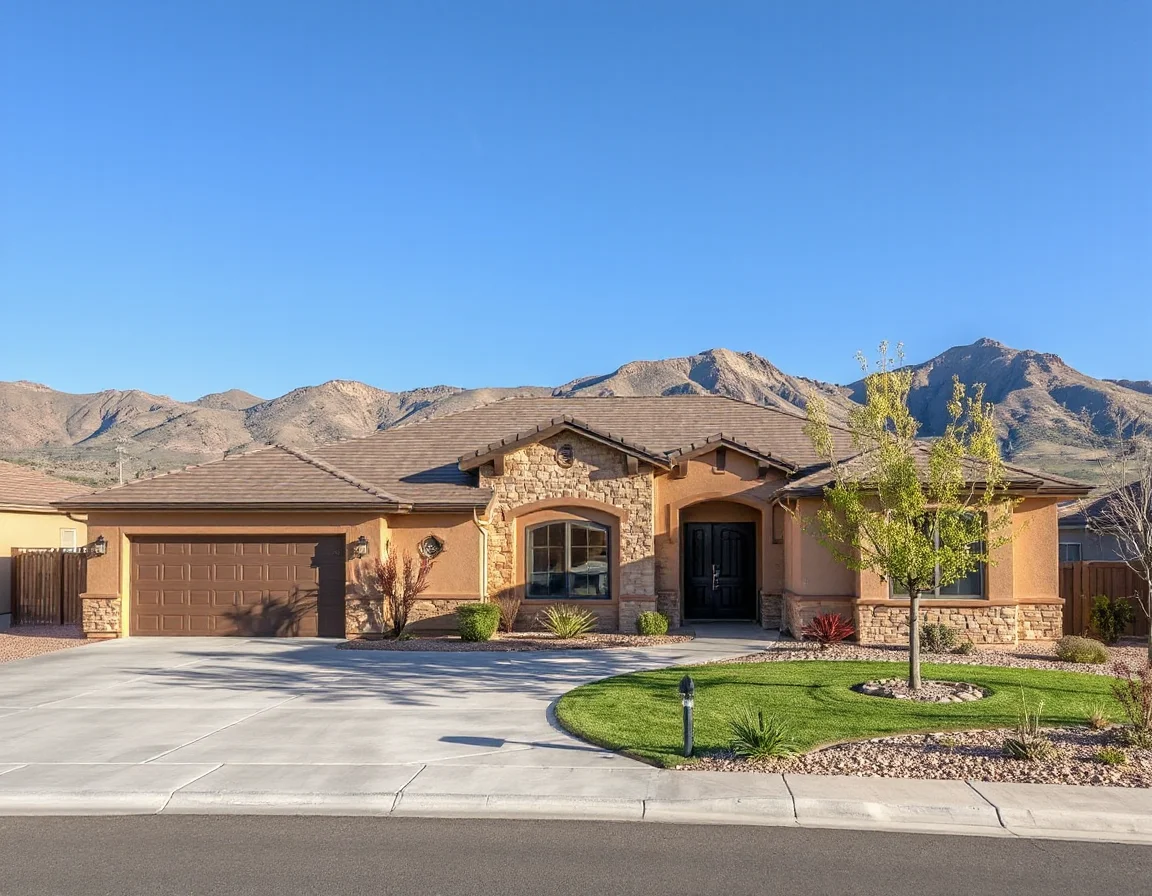
1. What is my home worth in today’s market?
An online estimate can be a starting point, but it cannot walk through your home, evaluate its condition, or account for features that do not fit neatly into an algorithm. A useful pricing conversation looks at recent nearby sales, active competition, pending properties, lot characteristics, updates, location, and the overall presentation of the home. It should also consider how long comparable properties took to sell and whether sellers needed price adjustments or concessions to reach an agreement.
The goal is not simply to choose the highest possible number. A well-supported list price can help attract serious attention early, while an unrealistic price can leave a property competing with newer listings weeks later. Cal Neva Realty brings deep local knowledge to this process, helping sellers understand the data behind a pricing recommendation rather than relying on a single headline figure.
The first weeks on market often provide the clearest feedback. Strong early interest, showing activity, and buyer comments can help confirm whether price and presentation are aligned.
2. When should I list?
There is no universal “best month” for every home. Spring activity may bring more buyers, while a less crowded period can mean fewer competing listings. Weather, school calendars, work schedules, holidays, and inventory levels all influence timing, but the right answer depends on your property and your personal goals. In Northern Nevada, seasonal conditions can also affect landscaping, curb appeal, photography, and the ease of scheduling exterior repairs.
Instead of waiting for a perfect market moment, consider your readiness. If you have enough time to prepare, coordinate your next housing step, and complete needed maintenance, you may be in a stronger position to list when the opportunity fits your plan. A local market review can turn broad seasonal advice into a timeline tailored to your address.
3. Which repairs are worth completing before listing?
Not every project produces the same return. Start with visible deferred maintenance: loose hardware, damaged trim, dripping fixtures, burned-out bulbs, worn caulk, and exterior items that could raise questions during a showing or inspection. Then consider projects that make the home feel clean, functional, and cared for, such as touch-up paint, professional cleaning, landscape cleanup, and simple updates to dated fixtures.
Major renovations deserve more caution. A full kitchen or bathroom remodel may not be necessary just to sell, especially when buyers may have different style preferences. Compare the likely cost, the time required, and the expected effect on marketability before committing. Sometimes a focused refresh tells a stronger story than an expensive project completed in a rush.
4. What will it cost to sell?
A complete selling plan should include more than the anticipated sale price. Ask about brokerage compensation, title and escrow expenses, possible repair negotiations, buyer credits, property taxes, loan payoff details, moving costs, and any association-related transfer requirements. Your final proceeds depend on the full picture, not just the number shown in the offer.
Gathering estimates early gives you room to make decisions without pressure. It can also help you evaluate offers more accurately when they arrive. An offer with a higher price is not automatically the stronger choice if it includes larger credits, a longer closing period, or terms that create uncertainty for your next step.
Questions That Help You Prepare for Buyers and Offers
Once you understand your potential value, timing, and costs, the next set of questions focuses on how your home will be experienced by prospective buyers. This is where organization, honest documentation, and a practical showing strategy can make the listing period feel far more manageable.
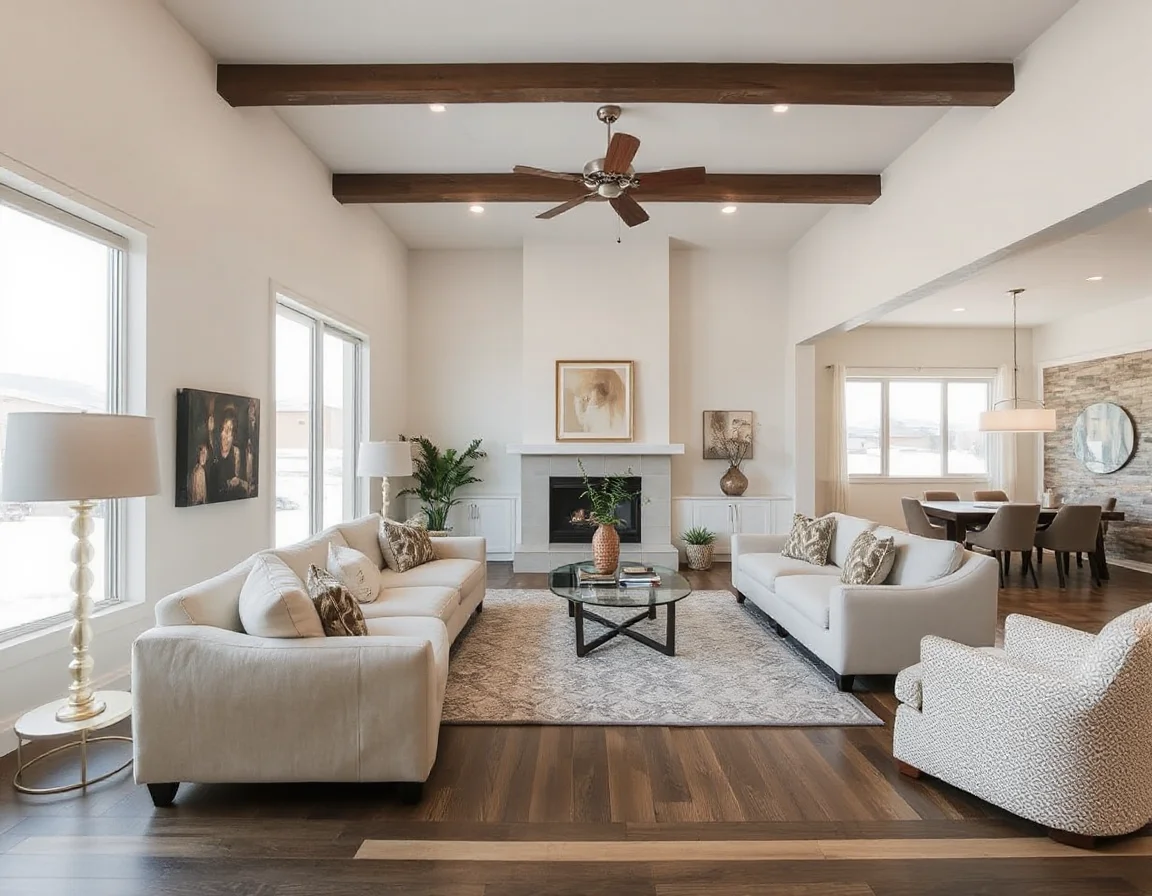
5. How should I prepare the home for photos and showings?
Buyers begin forming impressions before they enter the front door. A clean exterior, trimmed landscaping, clear walkways, and a welcoming entry can establish a strong first impression. Inside, the goal is not to erase every sign of daily life; it is to make rooms feel easy to understand. Remove excess items, clear counters, open window coverings where appropriate, and create enough space for buyers to notice storage, natural light, flooring, and layout.
Photos deserve special attention because they often determine whether a buyer schedules a visit. Before photography, walk through each room with fresh eyes. Tuck away cords, pet supplies, paperwork, small appliances, and personal collections that distract from the home’s features. The effort is temporary, but it can make the listing easier to browse and compare online.
6. What documents should I gather now?
Organization can prevent avoidable delays once an offer is accepted. Collect records for major upgrades, permits when applicable, warranties, utility information, appliance manuals, receipts for recent repairs, association documents, and any surveys or reports you already have. If your property has solar equipment, a well, septic system, shared access arrangements, or other specialized features, ask what documentation may be useful to have ready.
Disclosure requirements are an important part of the process. Sellers should be prepared to share known material facts about the property accurately and completely. Good records do not replace required disclosures, but they can make it easier to answer questions and demonstrate how the home has been maintained over time.
A labeled folder for property records can save time during inspections and negotiations. Start building it before the home is listed, not after an offer arrives.
7. How will I handle showings while living in the home?
Showing plans work best when they are realistic. Think through work schedules, pets, household routines, parking, and the amount of advance notice you need. Some sellers prefer broad availability for the first several days, while others need a more structured schedule. The tradeoff is usually between convenience and access: more access can create more opportunities for qualified buyers to see the home, but the plan still needs to be workable for you.
Prepare a simple “showing-ready” routine for daily use. Keeping surfaces clear, storing a laundry basket for quick pickup, and maintaining a designated spot for essentials can reduce the scramble when a showing is scheduled. Your agent can coordinate communication and help set expectations that respect the property while keeping the process moving.
8. Which offer terms matter beyond price?
Price matters, but it is only one part of an offer. Financing type, down payment, earnest money, contingency periods, requested credits, inspection terms, appraisal considerations, possession timing, and closing date can all influence the strength of a proposal. A cash offer may have fewer financing variables, while a financed offer with strong qualifications and flexible timing may fit your goals well. Each offer should be reviewed as a complete package.
Ask how different terms affect your likely net proceeds, your timeline, and the risk of a transaction changing course. Hollee Alderson’s background in customer-focused business operations supports a practical, detail-oriented approach to these conversations. Sellers deserve an explanation of their options in straightforward language, with enough context to choose the path that feels right for their circumstances.
Talk through your selling timeline
A Confident Sale Begins With a Clear Plan
The most successful selling experience is rarely about predicting every twist in the market. It is about preparing for the decisions you can control: understanding value, setting a workable timeline, presenting the home thoughtfully, organizing records, and evaluating offers beyond the headline price. With these eight questions answered, you can move forward with a clearer view of what comes next.
Northern Nevada offers a wide range of property types, landscapes, and local market conditions, so a one-size-fits-all selling strategy is rarely the best fit. A conversation grounded in current information and your individual priorities can help turn uncertainty into a focused plan for the road ahead.