
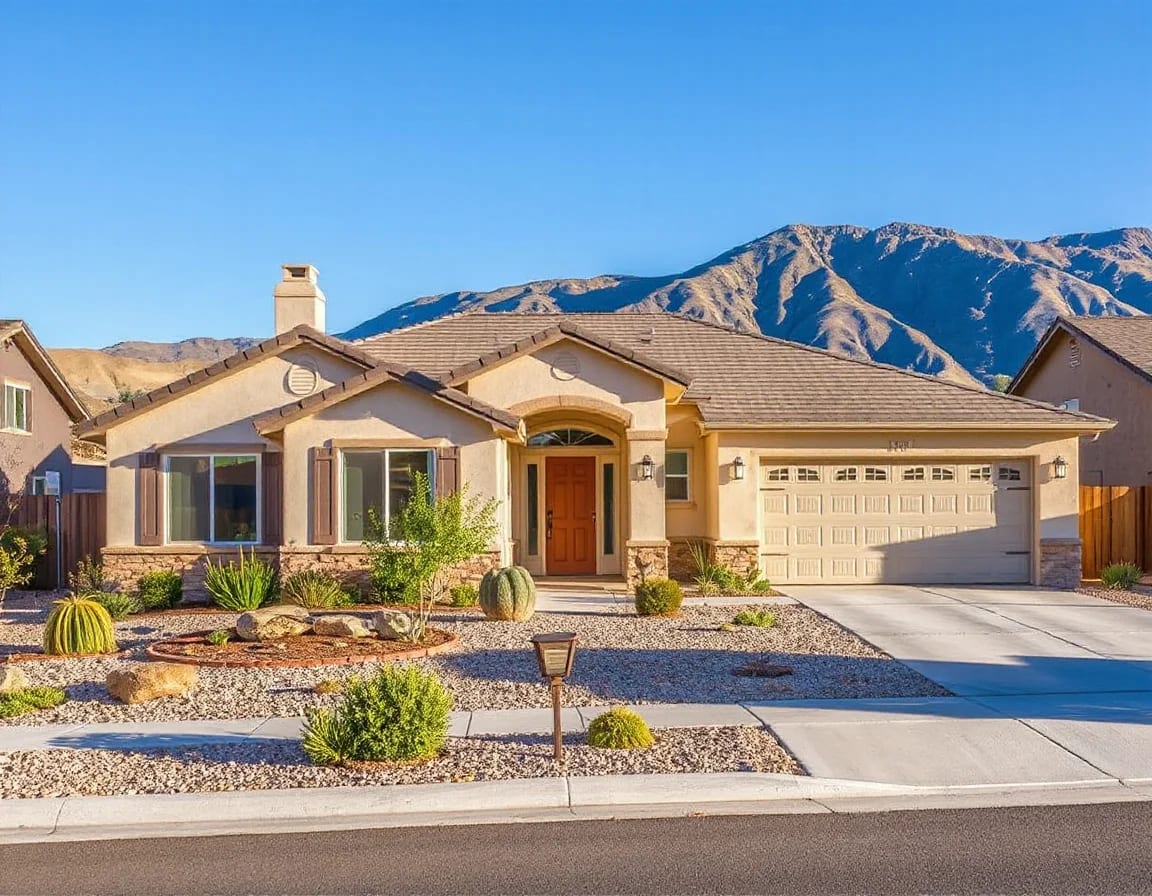
A $400,000 home and an $800,000 home in Reno can have similar square footage yet offer very different daily experiences, ownership costs, and future flexibility. Comparing the right details—from lot orientation and condition to access, storage, and neighborhood amenities—helps turn a price range into a clearer, more confident search.
Start With the Life of the Home, Not the Number on the Listing
Square footage is an easy comparison point, but it rarely tells the complete story of a Reno home. Two properties with 2,000 square feet may differ in natural light, lot size, garage capacity, updates, utility costs, views, and how comfortably the rooms function from day to day. In the $400,000 to $800,000 range, buyers may see everything from established homes with practical layouts to newer construction, properties with upgraded finishes, and homes positioned for broader mountain or city views.
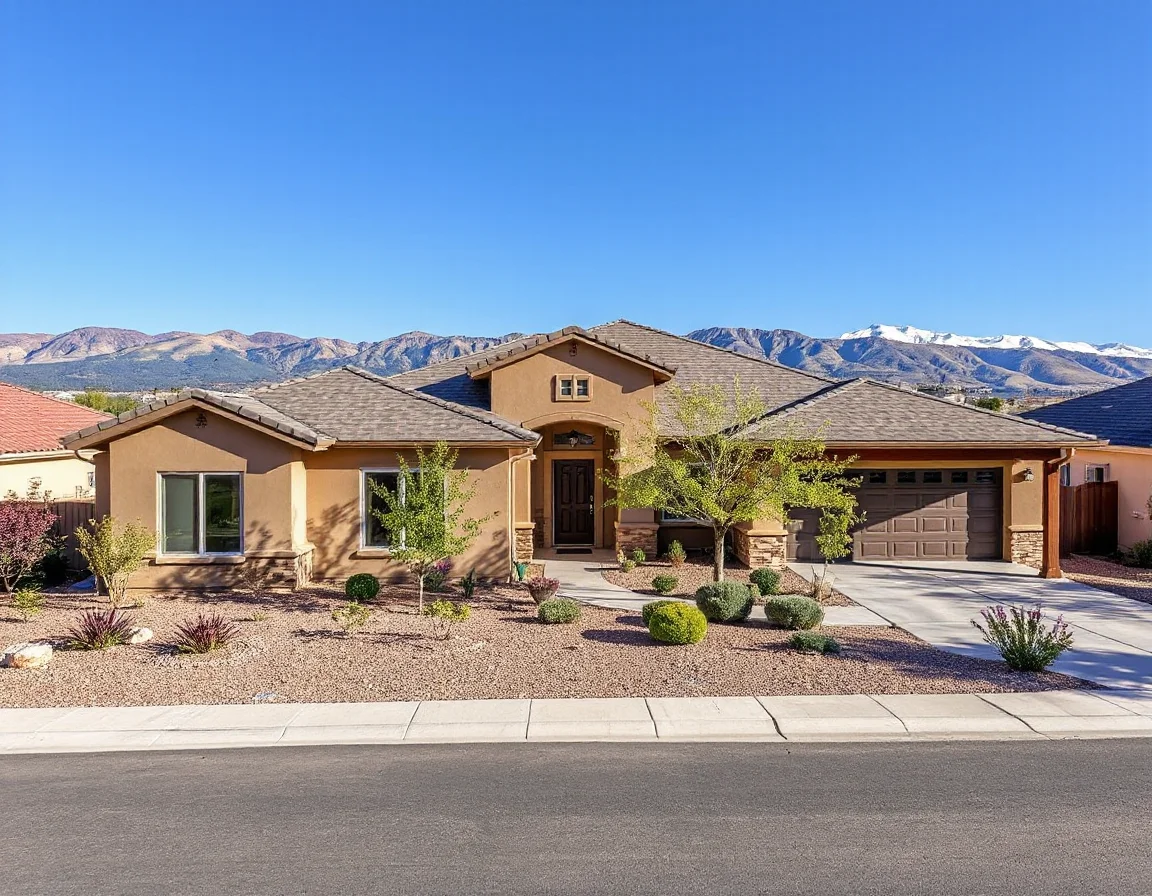
Instead of asking only, “How much space do I get?” ask how the space works. Is there a dedicated office or flexible room? Can groceries move easily from the garage to the kitchen? Is the primary suite separated from other bedrooms? Does the backyard offer usable shade, a patio, or room for outdoor furniture? These questions can reveal value that a price-per-square-foot calculation misses.
Location within Reno also changes the conversation. Some homes place residents closer to established parks, trail access, employment centers, dining districts, or major routes such as I-80 and U.S. 395. Others may offer newer streetscapes, larger parcels, or a quieter visual setting farther from central activity. Neither approach is automatically better; the most useful choice depends on the routines, commute patterns, and property features that matter to the buyer.
A slightly smaller home with a functional floor plan, covered outdoor area, and well-planned storage can feel more useful than a larger property with rooms that are difficult to furnish or maintain.
What the $400,000 Range Can Offer
At the lower end of this comparison, homes may offer an accessible entry point into Reno ownership while still providing meaningful choices in style and location. Depending on current inventory, buyers may encounter townhomes, condominiums, smaller detached homes, and established properties that have received selected updates. A home at this price point may also trade newer finishes or a larger lot for a convenient location, manageable footprint, or lower-maintenance exterior.
Condition deserves close attention here. Fresh paint and updated fixtures can make a strong first impression, but it is wise to look beyond cosmetic improvements. Consider the age and maintenance history of the roof, HVAC equipment, windows, water heater, appliances, and exterior surfaces. Requesting disclosures, reviewing inspection findings, and budgeting for near-term repairs can help clarify whether a lower purchase price truly creates room for planned improvements.
Monthly ownership costs are equally important. Homeowners association dues, insurance, property taxes, utility use, landscaping, and maintenance can vary considerably between communities and property types. A condo with exterior maintenance included may make sense for one buyer, while another may place more value on an independent yard and garage. The goal is to evaluate the complete monthly picture rather than focusing only on the purchase price.
Where Added Budget Often Changes the Equation
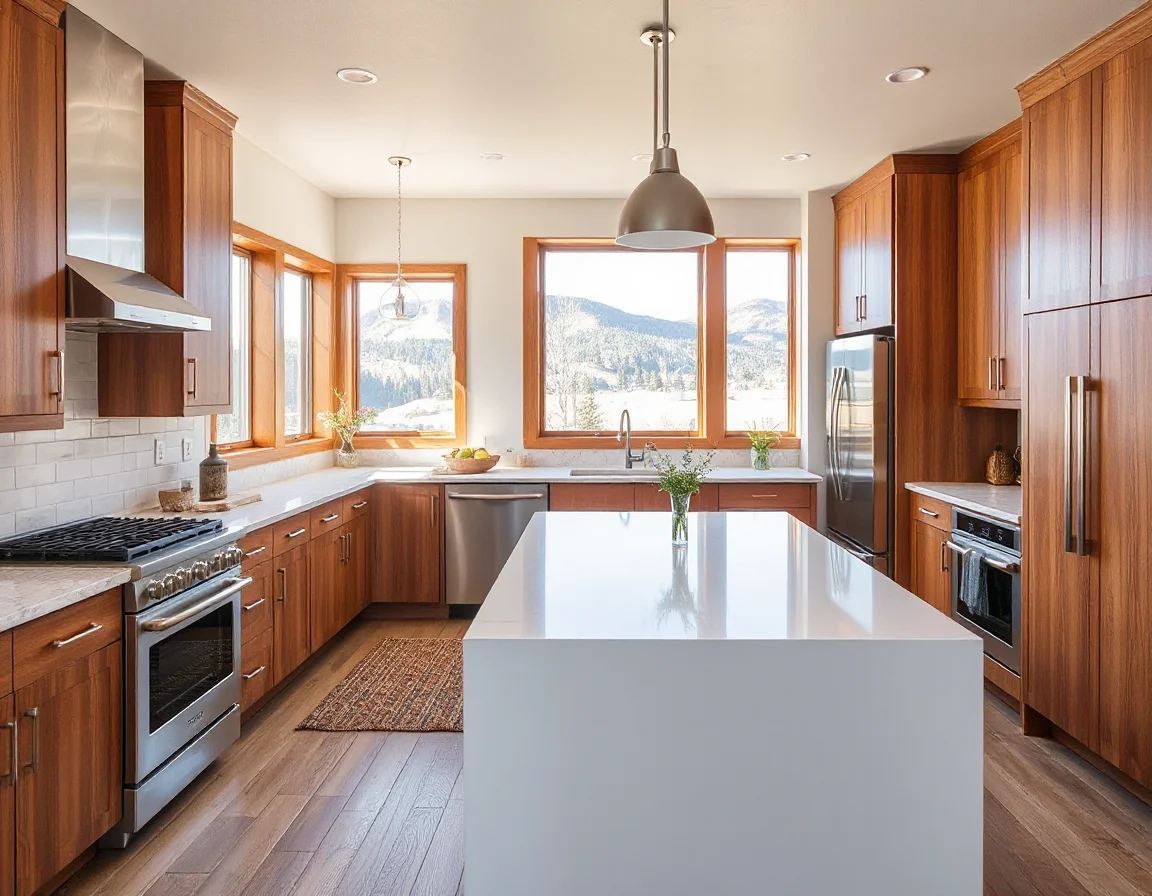
As the budget moves toward $600,000, $700,000, and $800,000, the differences are often less about a dramatic jump in square footage and more about combinations of features. Buyers may find newer construction, more extensive renovations, larger garages, additional storage, larger lots, upgraded kitchens, better separation between living spaces, or settings with broader views. In a market where land, location, and construction quality all affect value, those combinations can be meaningful.
A higher price may also expand the range of property settings available. Homes can differ in street placement, nearby open space, backyard privacy, slope, sun exposure, and access to daily destinations. In Northern Nevada, orientation matters: afternoon sun, prevailing wind, snow removal considerations, and the amount of shade around outdoor areas can all affect comfort and upkeep. A careful showing should include time outside, not just a quick walk through the rooms.
Look for the features that are costly or difficult to add later. A third-car garage, a well-sited lot, upgraded insulation, quality windows, a thoughtfully finished yard, or a practical laundry and mudroom setup may have lasting value. Decorative items are usually easier to change over time. Buyers who separate permanent features from finish-level preferences often make comparisons with less pressure and more clarity.
It can also help to compare homes by their next five years rather than only their first weekend. Would the layout support changing work needs? Is there room for hobbies, equipment, guests, or storage? Will the exterior require extensive seasonal work? A property that fits anticipated needs may reduce the likelihood of making another move sooner than expected.
Build a Side-by-Side Comparison That Goes Beyond Bedrooms
A simple scorecard can make showings more productive. After each tour, rate the property on layout, condition, location, outdoor usability, storage, parking, natural light, estimated maintenance, and overall monthly cost. Add a short note about what stood out: a kitchen with useful prep space, a steep driveway, an exceptionally efficient floor plan, or a backyard that feels ready to enjoy. Specific notes prevent attractive staging from overshadowing more enduring details.
It is also useful to compare similar homes, not just similarly priced homes. A newer townhome and an older detached house may have the same asking price but fundamentally different ownership considerations. The townhome may include exterior maintenance through association dues, while the detached home may offer more land and responsibility. Comparing like with like gives buyers a more realistic sense of value in each segment.
In Reno, the strongest value is often a combination: a home in solid condition, a location that supports your regular routines, and a monthly cost that leaves room for maintenance and future goals.
Use Local Context to Make a More Confident Offer
Market conditions can shift by neighborhood, property type, price band, and season. Some homes attract attention because they are newly listed, well prepared, or priced competitively against comparable sales. Others may have been available longer because buyers are weighing condition, location, or needed updates. Reviewing recent comparable sales and active competition helps place an individual listing in context before an offer is written.
Working with someone who understands the Northern Nevada market can be especially helpful when the comparison is nuanced. Hollee Alderson and Cal Neva Realty bring local perspective and a customer-focused approach to helping buyers and sellers examine the practical details behind a home’s price. A thoughtful conversation can identify where flexibility may create opportunities and where it makes sense to hold firm on the features that matter most.
Whether your search begins near $400,000 or extends toward $800,000, the right home is not simply the one with the biggest number attached to it. It is the property whose condition, setting, layout, and ongoing costs align with your priorities. Taking time to compare the full picture can turn a broad Reno price range into a focused search—and help you recognize real value when it appears.