

A large lot in Golden Valley can offer breathing room, open views, and room to shape your property over time—but acreage comes with systems, responsibilities, and costs that do not always show up in the listing photos. Before writing an offer, look beyond square footage and ask practical questions about water, access, utilities, maintenance, and future plans.
The Appeal Is Real—So Is the Homework
Golden Valley’s high-desert setting is a compelling backdrop for buyers who want more outdoor space around the home. Larger parcels may provide room for gardens, equipment storage, recreation, detached structures, or simply more separation from nearby residences. Views of open terrain and mountain ridgelines can make a property feel like a retreat while still keeping Reno-area amenities within reach.
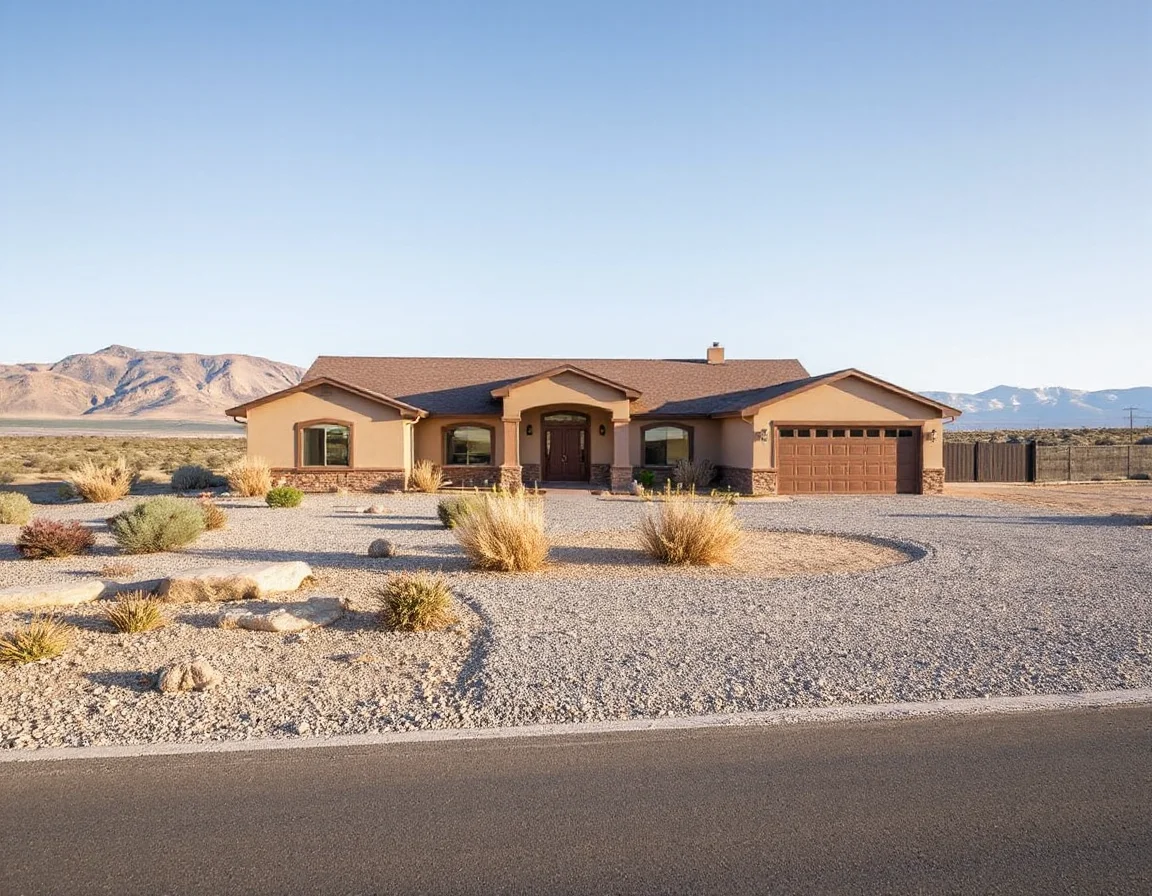
That setting also changes the due-diligence list. A home on a larger lot is not just a house with extra land attached; it can involve private systems, longer drives, drainage patterns, fencing, outbuildings, and more land to maintain through every season. The right property can be an excellent fit, but the best decisions begin with a clear picture of what ownership actually requires.
Start by reading the listing details closely, then confirm key information through inspections, county records, utility providers, and qualified local professionals. Conditions can vary considerably from one parcel to the next, even when two homes appear close together on a map. Here are five reality checks worth making before you move forward.
1. Water and Wastewater Deserve a Closer Look
Many larger-lot properties rely on private wells, septic systems, or a combination of public and private services. These systems can work very well, but buyers should understand exactly what serves the home, where the components are located, and what records are available. A well inspection may review water quality, equipment condition, flow, and storage components, while a septic review can help clarify the system’s age, maintenance history, and permitted capacity.
A well and septic review is not a formality on a rural-style property. It is one of the clearest ways to understand daily comfort, future maintenance, and possible replacement planning before closing.
Ask whether there are recent service invoices, pump records, well logs, or site diagrams. If the home has landscaping, animals, or additional outdoor water use, it is also wise to discuss how that use is supplied and what seasonal demands may look like. The goal is not to assume a problem; it is to know what you are buying and to budget with better information.
Also consider how future changes could interact with existing systems. A planned guest structure, workshop, expanded patio, or garden area may require thoughtful placement around well and septic components. A survey or site plan can be particularly helpful when visualizing those possibilities.
2. “Access” Means More Than Finding the Driveway
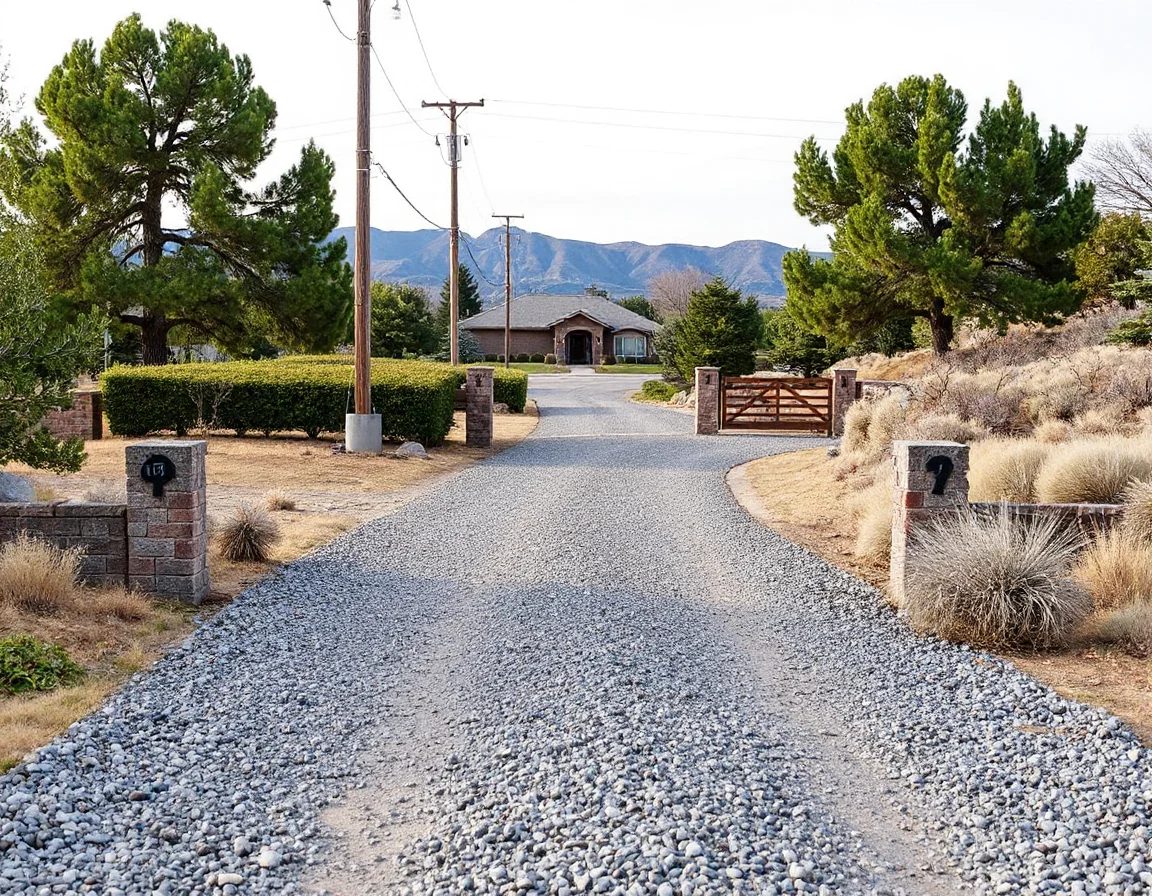
A long gravel drive can be part of the charm of a Golden Valley property, but it should prompt a few practical questions. Is the route publicly maintained, privately maintained, or shared through an easement? Who is responsible for grading, snow removal, dust control, drainage repairs, gates, or culvert maintenance? These details can affect both the ownership experience and the ongoing budget.
Review title documents for recorded easements and ask how neighboring parcels access the area. A driveway that feels straightforward during a sunny showing may handle differently after heavy rain, wind, snow, or repeated vehicle use. Look for washboarding, ruts, low spots, drainage channels, and the condition of any shared entrance.
It is also useful to think through everyday logistics. Delivery vehicles, service technicians, moving trucks, trash collection, and emergency access may all use the same route. A local inspection team can help identify visible concerns, but buyers should also ask direct questions rather than relying on assumptions based on appearance alone.
3. Utilities Can Be a Major Part of the Ownership Budget
On a larger parcel, utility arrangements are often less uniform than they are in a dense subdivision. Electricity may be available at the home while internet, propane, heating fuel, cellular coverage, and backup power needs vary by location. Before removing contingencies, ask providers what service is currently available and confirm any equipment that conveys with the property.
Internet deserves special attention for anyone who streams, works remotely, uses connected security equipment, or simply wants reliable everyday service. Availability at the street does not always mean the same service level reaches every address. Ask about providers, installation timelines, equipment requirements, and realistic speeds for the specific property.
Heating and cooling should be considered in the context of Northern Nevada’s temperature swings. Review the age and condition of HVAC equipment, insulation, windows, wood stoves, evaporative cooling systems, or propane tanks where applicable. Utility bills from prior periods can provide useful context, although they should be viewed as a reference rather than a guarantee of future costs.
4. Land Maintenance Is a Lifestyle Choice and a Line Item
More land offers more options, but it also creates more work. Consider mowing or vegetation management, fence repairs, weed control, driveway upkeep, tree care, irrigation components, exterior lighting, and the storage of tools or equipment. Even a mostly natural parcel benefits from a maintenance plan, especially where wind, dry conditions, and changing weather can affect the landscape.
Walk the entire property if possible, not just the path from the driveway to the front door. Notice slopes, drainage routes, retaining areas, outbuildings, fencing condition, and portions of the parcel that may be difficult to reach. This is also the time to ask whether structures were permitted and whether any improvements cross property boundaries or easement areas.
Wildfire preparedness is another practical topic in high-desert environments. Buyers can ask about defensible-space practices, exterior materials, nearby vegetation, insurance availability, and any local guidance that applies to the property. This is not about predicting an outcome; it is about understanding the maintenance habits and insurance questions that can come with a more open setting.
The lot size in a listing is only the beginning. The most useful question is whether the usable areas, maintenance needs, and permitted improvements support the way you plan to use the property.
5. Verify What Can Be Built, Stored, or Changed Later
Buyers are often drawn to large lots because they imagine future flexibility. That may include a garage, workshop, barn-style structure, RV parking area, garden enclosure, solar equipment, or additional outdoor living space. Before treating any of those plans as automatic, check zoning, setbacks, building requirements, HOA rules if applicable, easements, and county permitting standards.
It is equally important to confirm what already exists. Detached buildings, converted spaces, wells, septic systems, fences, and additions should be reviewed against available records. A property can still be appealing when documentation is incomplete, but the buyer should understand the potential time, cost, and approval process involved before taking on that responsibility.
Work with professionals who know the local market and can help organize the questions without rushing the process. Cal Neva Realty brings deep Northern Nevada roots and a customer-focused approach to helping buyers evaluate homes in the Nevada market. The right large-lot purchase is not necessarily the one with the most acreage—it is the one whose systems, access, condition, and possibilities align with your plans.
Talk through your Golden Valley home search
Buy the Property You Understand
Large-lot living in Golden Valley can be rewarding, practical, and full of potential when the details match your expectations. Give yourself time to inspect carefully, read documents thoroughly, and ask precise questions about every feature that supports the home. With informed due diligence, you can move from admiring the view to understanding the property behind it—and make an offer with greater confidence.